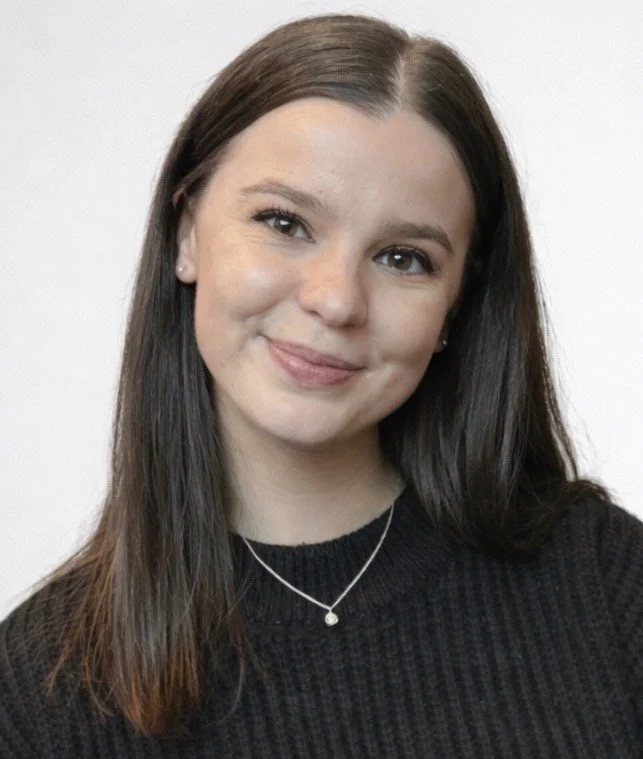
Welcome to Early Career Forum Month! This is the fourth post in a special blog series sharing insights from PRAN’s early career forum members. The forum is designed to support and connect emerging scholars, professionals, and practitioners working in the areas of poverty, inequality, and social justice.
Since joining the Joseph Rowntree Foundation (JRF) as the Experiential Insight Research Officer, I've had the opportunity to work on Grounded Voices, a research programme launched in 2022 to ensure JRF's work is informed by what matters to people struggling to afford what they need.
What first attracted me to Grounded Voices was its ambition to amplify the voices of people experiencing financial hardship, particularly those whose experiences are less visible or missing altogether from existing research and public debates. I was interested in hearing people's experiences first-hand. What challenges are they facing? How does financial hardship affect their everyday lives? And what do they think needs to change?
Who takes part?
Grounded Voices is a rolling research programme, recruiting new participants twice a year from across all four nations of the UK. We aim to reflect the diversity of people experiencing financial hardship, including those from ethnic minority communities, people from migrant backgrounds facing insecure or restricted employment opportunities, and people who are working but still struggling to make ends meet.
Recognising that poverty is complex, we don't recruit participants based on income alone. Instead, we consider a range of factors to capture experiences and circumstances that traditional measures of poverty might overlook.
Grounded Voices was co-designed with people who have direct experience of financial hardship, and a programme advisory group continues to inform its development. For me, this is fundamental. If we want to understand people's experiences and develop meaningful solutions, we need to involve people with lived experience in shaping the research from the outset.
How does Grounded Voices work?
We work with participants over approximately five months, using a combination of online interviews, diary activities and group discussions. We begin with an in-depth interview to understand people's backgrounds and circumstances, before inviting them to complete diary activities over 12 weeks.
The diaries give participants space to reflect on different aspects of their lives, from housing and employment to health, relationships and financial pressures. We use Field Notes, a digital research platform that allows participants to share their experiences through written responses, audio recordings, videos and photographs. Having different ways to contribute makes the research more flexible and accessible, recognising that people have different preferences and ways of expressing themselves.
Working with participants over several months allows us to build rapport and explore their experiences in greater depth. Rather than relying on a single conversation, we can develop a richer understanding of how different aspects of people's lives intersect and how their circumstances change.
Something that has particularly stayed with me is what participants tell us about why they want to take part. Many describe how they don't often talk openly about their financial circumstances, sometimes because of feelings of shame or embarrassment, or because they don't want others to know they're struggling. Yet when we ask why they've chosen to participate, a recurring response is that they want their voices to be heard.
For me, this captures why Grounded Voices matters. It's about creating a space where people feel able to share their experiences, challenge assumptions and contribute to conversations that too often happen without them.
My role at JRF
As the Experiential Insight Research Officer within JRF's Insight Infrastructure team, my role involves supporting the delivery of Grounded Voices and helping ensure the insights we gather are shared and used.
Insight Infrastructure aims to strengthen how evidence about poverty is collected, connected and shared, recognising that understanding poverty requires different forms of knowledge, including the expertise of people experiencing it.
Much of my work involves engaging directly with participants, conducting interviews, supporting the diary activities, facilitating discussions and analysing the experiences and insights shared with us.
A particularly rewarding part of my role is working directly with participants and hearing about the different challenges they face, as well as their perspectives on what needs to change.
What are we hearing, and what's next?
Although Grounded Voices captures a wide range of experiences, one theme that has particularly struck me is the different pathways through which people come to experience financial hardship.
Some participants have experienced insecurity throughout much of their lives, while others describe circumstances that were once stable before a significant life event changed everything. We've heard about the impacts of illness, disability, relationship breakdown, caring responsibilities, job loss and unexpected financial pressures.
What stands out is that while life's challenges can affect anyone, the extent to which they lead to poverty depends heavily on the protections people have available to withstand them. These might include financial resources, secure housing, family support, social security or access to public services. Where these protections are absent, inadequate or become depleted over time, people can find themselves facing prolonged hardship.
Poverty can happen to anyone, but it doesn't affect everyone equally. People's circumstances and starting points differ, as do the resources and systems available to support them when life becomes difficult.
Having run since 2022, Grounded Voices has now gathered four years of rich insights into people's experiences of financial hardship across the UK. In early 2027, we're looking forward to bringing together what we've heard over this period and producing an output that explores the experiences, perspectives and themes emerging from the programme.
I'm excited about the opportunity to share these insights more widely. Across the poverty and social justice sector, organisations are doing valuable work to understand people's experiences and advocate for change. By working together, sharing learning and amplifying each other's work, we can help ensure these voices reach further and have greater influence.
This is why JRF's new partnership with PRAN is particularly exciting. It's an opportunity to strengthen connections, learn from one another and work collectively towards ensuring that the experiences of people facing financial hardship are heard and reflected in the decisions that affect their lives.